How a Team Building Platform Strengthens Company Culture
A team building platform strengthens company culture by improving communication, collaboration, and employee engagement. Through interactive activities, shared goals, and real-time insights, it helps teams connect better, boost morale, and create a more motivated, high-performing workplace.
 KraftyLab Team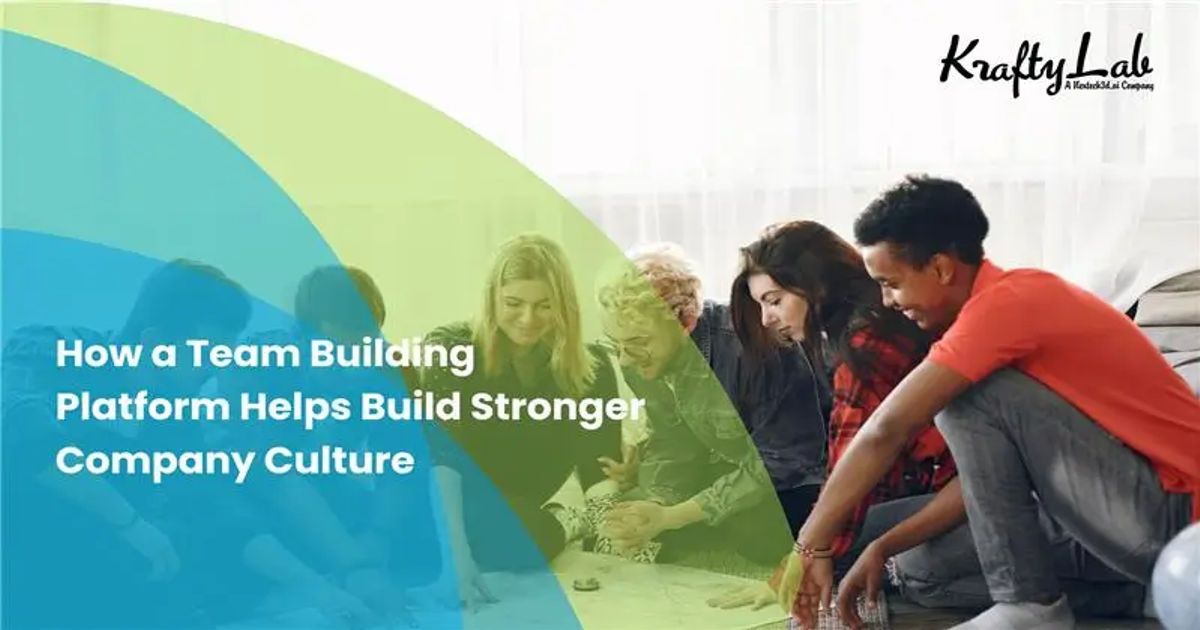
A team building platform is one of the most effective tools companies can use to strengthen culture, improve employee connection, and create lasting engagement across teams. This blog explains how modern team building solutions help organizations build trust, boost morale, support hybrid workforces, and create meaningful corporate culture through structured experiences.
The way employees interact, solve problems, and support one another becomes the real foundation of culture over time. As organizations grow more distributed, culture becomes harder to sustain. Remote teams often miss the natural bonding that happens in shared office environments. Hybrid workplaces introduce new challenges, where some employees feel included while others feel disconnected. Even in-office teams can struggle with silos, burnout, and a lack of belonging without intentional engagement. That is why more organizations are adopting a modern corporate team building platform as a strategic solution. A strong team building platform for companies creates the foundation for trust, belonging, collaboration, and long-term organizational success.
This blog explores what a modern team building platform actually does, why culture has become harder to sustain, and how structured experiences can strengthen trust, belonging, and long-term engagement inside organizations.
Why Company Culture Requires Intentional Support
Culture has become one of the strongest predictors of employee retention, performance, and satisfaction. People do not stay at companies only because of compensation. They stay because they feel connected, valued, and part of something meaningful.
When culture is weak, organizations experience communication breakdowns, disengagement, low morale, and higher turnover. Teams may function operationally, but without strong relationships, collaboration becomes transactional rather than supportive. Strong cultures, on the other hand, encourage openness, accountability, creativity, and shared ownership. Employees feel safe contributing ideas. Managers build trust instead of micromanaging. Teams solve problems faster because relationships already exist.
This is why companies are prioritizing structured employee connection programs, company culture building activities, and long-term engagement strategies. A team building platform provides the framework to make these efforts consistent and measurable rather than vague or occasional.
What Is a Team Building Platform?
A team building platform is a solution designed to help organizations plan, deliver, and measure experiences that improve workplace culture. It combines curated activities, facilitation, technology, and analytics into one engagement ecosystem.
Unlike traditional team building that often depends on sporadic events, a platform supports ongoing cultural development. It can function as:
- A virtual team building platform for companies supporting remote teams
- A hybrid team building platform connecting remote and in-office employees
- An in-person team building platform for onsite workshops and retreats
- A scalable engagement system for global enterprises
The best team building platforms offer structured corporate team building experiences, not random entertainment. They create meaningful moments that strengthen collaboration, communication, and belonging. Many organizations now see these platforms as essential enterprise team building solutions that align people strategy with business outcomes.
How a Team Building Platform Builds Stronger Company Culture
A team building platform strengthens company culture by creating intentional opportunities for employees to connect, collaborate, and build trust through shared experiences that go beyond everyday work interactions. Below are some ways how a team building platform can strengthen organizational culture.
Strengthening Workplace Relationships Through Shared Experience
In every company, employees perform better when they trust one another, feel psychologically safe, and experience genuine workplace relationships.
The best team building platform,, like KraftyLab, creates consistent opportunities for teams to bond beyond daily tasks. Instead of leaving connection to chance, companies can design repeatable experiences that help employees interact as people, not just coworkers.
This is especially valuable for distributed organizations. A team bonding platform for remote teams helps employees build relationships even when they never meet physically. Shared experiences reduce isolation, improve empathy, and strengthen collaboration.
Over time, this directly supports:
- Building trust in workplace teams
- Strengthening workplace relationships
- Creating workplace belonging initiatives
- Developing a healthier, more connected culture
Improving Collaboration and Communication at Scale
Poor communication is one of the biggest barriers to strong workplace culture. Teams may struggle with alignment, misunderstandings, or cross-functional disconnect. A strong team building platform addresses this through structured collaboration-based experiences. Many team bonding platforms include workshops and challenges that help employees practice:
- Active listening
- Problem-solving together
- Constructive feedback
- Conflict resolution
- Shared decision-making
These experiences function as real-time training for better teamwork. They also support team collaboration tools and long-term culture improvement. Companies that invest in team development workshops often see stronger collaboration not just within teams, but across departments.
Supporting Engagement Across Remote, Hybrid, and In-Person Teams
Modern workplaces are rarely fully centralized. Most organizations operate across remote employees, hybrid schedules, and office-based teams. That is why leading team building platforms offer virtual & hybrid team building formats to ensure everyone can participate equally. Culture cannot thrive if engagement only happens in-office.
A company may run:
- Virtual corporate team building events for distributed teams
- Hybrid team building events that bridge locations
- Onsite experiences through an in-person team building platform
This flexibility makes engagement inclusive and sustainable.
Virtual Team Building as a Culture Strategy
Virtual engagement is no longer optional. For many organizations, remote work is permanent, and culture must adapt accordingly. A strong virtual team building platform for companies delivers experiences that feel interactive, meaningful, and human rather than forced.
Effective formats include:
- Virtual team building games designed for collaboration
- Remote team building activities that reduce isolation
- Team building activities for remote teams that foster belonging
- Virtual onboarding team activities for new hires
- Employee engagement activities online that keep teams connected year-round
These experiences help remote employees feel integrated into company culture, not like outsiders watching from a distance.
Hybrid Team Building: Bridging the Culture Gap
Hybrid work introduces cultural imbalance. Employees in-office may form stronger informal bonds, while remote employees can feel disconnected. A well-designed hybrid team building platform solves this by creating shared cultural moments across environments. Hybrid engagement works best when experiences are designed intentionally, not as afterthoughts. Effective team building ideas for hybrid teams include:
- Mixed-format workshops with equal participation
- Collaborative challenges built for both onsite and remote attendees
- Inclusion-focused sessions that strengthen belonging
Hybrid culture is not about recreating office life online. It is about building one unified team identity across locations.
Wellness and Meaningful Engagement Experiences
Culture is increasingly tied to employee wellness. Burnout, stress, and disengagement are major challenges, especially for remote teams. That is why many platforms now include:
- Mindfulness and resilience sessions
- Movement-based workshops
- Wellness activities for remote teams
- Purpose-driven engagement programs
Wellness-centered experiences show employees that culture is people-first, not productivity-first. This strengthens trust and retention.
Fun Corporate Team Building Experiences That Spark Connection
Culture also thrives through joy. Many companies incorporate creative and seasonal engagement to build camaraderie.
Popular examples include:
- Virtual mixology class corporate experiences
- Holiday themed team building events
- Creative workshops that encourage relaxation and bonding
- Interactive challenges that boost morale
These are especially effective during onboarding cycles, quarterly engagement pushes, or year-end celebrations.
AI and the Future of Team Building Platforms
The future of engagement is becoming more personalized and data-driven. Many team building platforms are integrating AI tools that tailor experiences based on participation patterns and employee needs.
An AI-powered event experience can help companies:
- Recommend activities aligned with engagement trends
- Personalize onboarding experiences
- Improve participation through smarter scheduling
- Measure sentiment and feedback more effectively
This aligns with broader trends in experiential marketing for enterprises, where experiences are strategically designed to strengthen both internal culture and external employer branding.
Why Enterprises Are Investing in Team Building Platforms
Large organizations face unique challenges: global teams, complex hierarchies, and inconsistent engagement across regions. With employees working across time zones, departments, and office locations, building a unified culture becomes significantly harder. Teams can easily become siloed, communication gaps increase, and employees may feel disconnected from the larger organization. That is why many companies are investing in enterprise team building solutions and adopting a modern corporate team building platform to create consistent engagement across the workforce.:
- Scalable programming that supports ongoing employee engagement activities for thousands of employees
- Multi-location support through a hybrid team building platform that includes both virtual and in-person experiences
- Analytics and reporting to measure participation, improve engagement, and strengthen organizational culture development
- Custom culture experiences aligned with company values, including corporate team building experiences and leadership-driven workshops
Enterprise culture requires systems, not occasional events. A team building platform ensures engagement remains consistent across the organization.
Best Practices for Implementing a Team Building Platform
A team building platform delivers maximum impact when treated as an ongoing culture initiative rather than a one-time activity solution. Companies that see the strongest results use a team building platform as a long-term system for connection, engagement, and culture development. When implemented strategically, it supports consistent employee engagement activities, strengthens workplace relationships, and helps teams stay aligned across remote, hybrid, and in-person environments.
Key success practices include:
- Align experiences with culture goals by selecting company culture building activities that reinforce shared values and collaboration.
- Balance fun, wellness, and skill-building through a mix of corporate team building experiences, wellness-focused sessions, and team development workshops.
- Ensure inclusion across remote and hybrid teams by using a hybrid team building platform that supports both virtual and in-person participation.
- Integrate engagement into onboarding with virtual onboarding team activities that help new hires build connection from day one.
- Collect feedback and improve continuously using analytics and employee input to refine programming and strengthen long-term engagement.
When implemented well, a team building platform becomes part of everyday culture, not an extra HR project.
Wrapping Up
A team building platform is not just a collection of activities. It is a strategic tool for building a stronger company culture through trust, belonging, collaboration, and shared experience. From virtual corporate team building events to hybrid workshops, wellness sessions, and enterprise-scale programs, team building platforms provide the structure companies need to keep employees connected in modern workplaces.
Organizations that invest in meaningful engagement are building cultures where people thrive, stay longer, and perform better. A modern team building platform for companies is ultimately an investment in people, and people are the foundation of every great workplace.
Ready to strengthen your company culture through meaningful connection? KraftyLab team building platform helps organizations bring teams closer with facilitator-led, people-first experiences designed for real outcomes. From virtual workshops to hybrid and in-person engagement programs, KraftyLab makes culture-building intentional, inclusive, and impactful. Book a demo or explore KraftyLab’s curated team building programs today and start building a culture your people want to be part of.
FAQs
1. What is a team building platform?
A team building platform is a solution that helps companies organize, deliver, and measure activities that improve employee connection, collaboration, and workplace culture.
2. How does a team building platform strengthen company culture?
It creates consistent shared experiences that build trust, improve communication, and support stronger workplace relationships across teams.
3. What is the difference between a corporate team building platform and traditional team events?
Traditional events are often one-time and informal. A corporate team building platform provides structured, repeatable programs with measurable engagement outcomes.
4. Are team building platforms useful for remote teams?
Yes. A team bonding platform for remote teams helps distributed employees stay connected through virtual workshops, interactive games, and ongoing engagement activities.
5. What activities can be delivered through a virtual team building platform?
A virtual team building platform for companies can include virtual games, wellness sessions, onboarding activities, creative workshops, and facilitator-led culture-building experiences.
6. How do hybrid team building platforms support inclusion?
A hybrid team building platform ensures both remote and in-office employees participate equally, reducing cultural gaps and strengthening belonging across work environments.
7. What are the benefits of enterprise team building solutions?
Enterprise team building solutions offer scalable programming, analytics, multi-location support, and consistent culture-building for large organizations.
8. Can team building platforms improve employee retention?
Yes. Strong engagement and connection lead to higher morale, stronger belonging, and improved employee retention through engagement over time.
9. What are some examples of corporate team building experiences?
Examples include facilitator-led workshops, virtual mixology events, holiday-themed activities, wellness-focused sessions, and interactive collaboration challenges.
10. How can a company choose the right team building platform?
The best team building platform aligns with your culture goals, supports virtual and hybrid teams, offers meaningful experiences, and provides measurable engagement insights.